Custom High Heels Cost in 2026: Guide for Brands
High Heel Manufacturing Guide for Fashion Brands
For brands and startups entering the footwear market, one of the most common questions is:diversity.
How much does it cost to produce custom high heels?
The answer is not a fixed number.
In professional manufacturing, pricing is structured — and understanding that structure is key to making better business decisions
Sample Cost vs Bulk Production Cost: The Key Difference
When working with a custom high heels manufacturer, pricing is typically divided into two stages:
•Sample (prototype) development cost
•Bulk production cost
These two stages serve completely different purposes — and follow different pricing logic.
Many brands misunderstand this, which leads to confusion when evaluating quotes.

Sample Development Cost (Prototype Stage)
The sample stage is where your idea becomes a real product.
For most projects, sample costs typically range from $250 to $2,000 per style, depending on complexity and development requirements.
What affects sample cost?
•design complexity (simple vs structural heels)
•material selection (standard vs premium)
•number of revisions
•heel mold development (if required)

Custom Heel Mold — A Major Cost Factor
If your design includes a custom heel shape, a new mold must be created.
This involves:
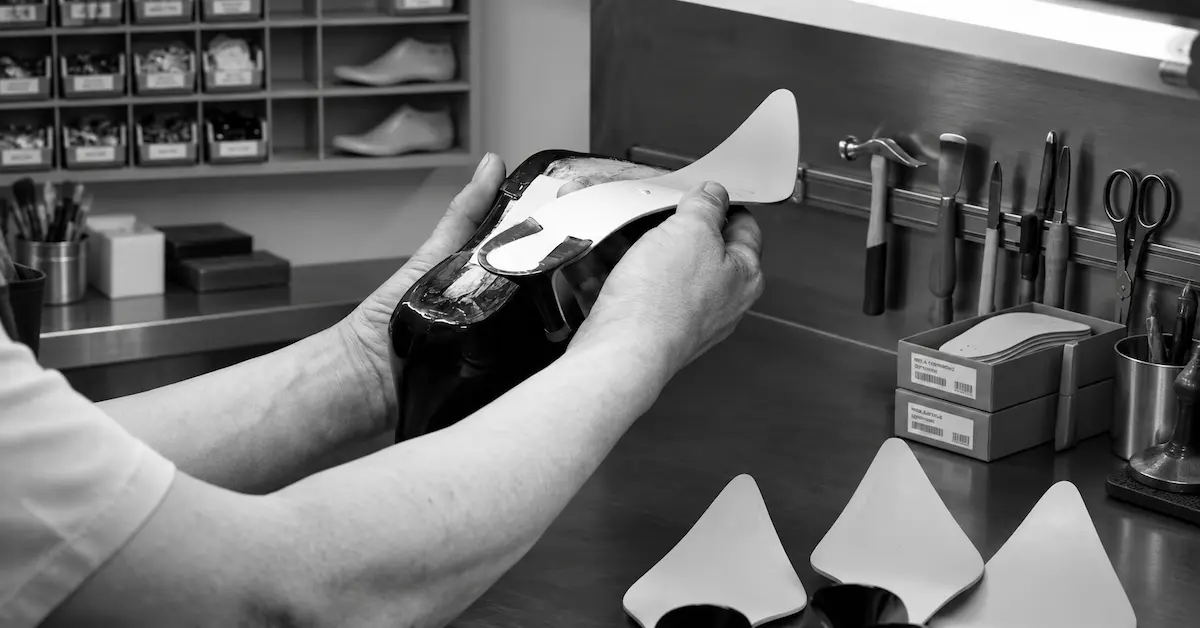
•3D modeling and engineering
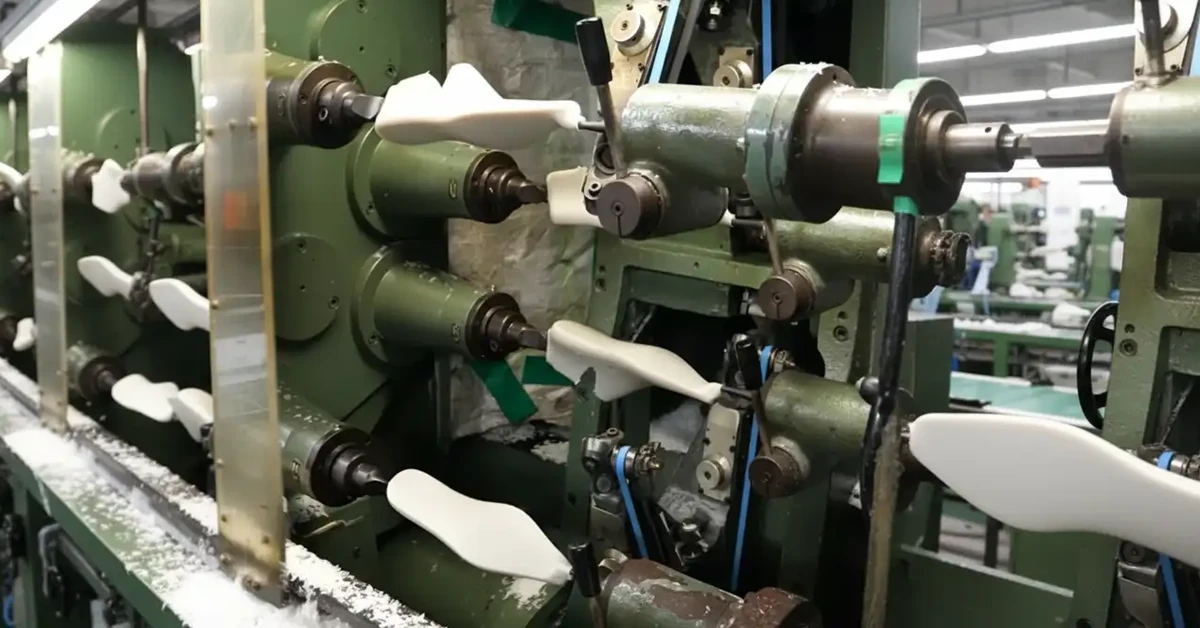
•mold production
•structural testing
Because of this, custom heel molds are one of the main reasons sample costs can increase significantly.
Using existing heel molds can help reduce both cost and development time.

Bulk Production Cost (Mass Production Stage)
Once the sample is approved, production begins.
At this stage, pricing is driven by manufacturing structure rather than development effort.

1. Material Cost (40%–60%)
Materials are typically the largest cost component.
•This includes:
•upper materials (leather, suede, PU, textiles)
•lining and insole
•outsole and heel components

2. Labor & Manufacturing(20%–30%)
Production processes include:
•cutting and stitching
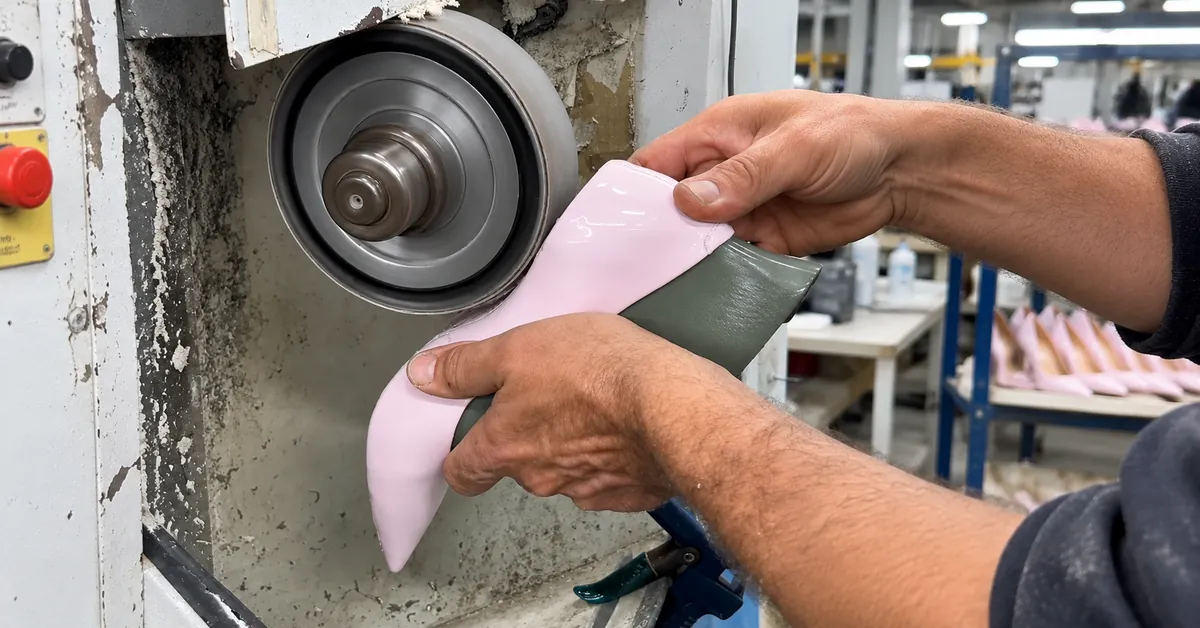
•assembling and shaping
•finishing and quality inspection
Labor cost also includes factory operations such as utilities and management.

3. Components & Construction
•Additional cost factors include:
•outsole units and heel structures
•hardware and decorative elements
•logo applications

4. Packaging & Branding
Final cost also includes:
•custom boxes and packaging
•labels and branding elements
•dust bags and inserts
Example Cost Breakdown: Premium Custom High Heel
Estimated bulk production cost model (reference only)
| Category | Component | Cost (USD) |
|---|---|---|
| Upper | Satin / silk material | $13.00 |
| Lining | Goatskin leather | $6.50 |
| Insole | PU + cushioning | $3.00 |
| Outsole | Leather + rubber | $6.00 |
| Heel | Sculptural heel | $9.00 |
| Midsole | Structural support | $2.00 |
| Logo | Branding (print/emboss) | $2.00 |
| Labor | Assembly & finishing | $15.50 |
| Packaging | Box + dust bag | $3.50 |

How Brands Can Optimize High Heel Production Cost
To manage costs effectively, brands can:
•Start with simpler designs
•Use scalable materials
•Align MOQ with realistic sales expectations
•Work with experienced manufacturers
The right manufacturing partner can reduce both development risk and long-term cost.

Reliable factories maintain strict quality control systems to ensure consistent results across large production orders.
Brands interested in learning more about experienced footwear manufacturing teams can explore the company background and development capabilities of professional factories.
For brands seeking direct collaboration, meeting the design and development team behind the manufacturing process can also help streamline product development.
Why Understanding Cost Structure Matters
When working with a custom high heels manufacturer, it is important to understand:
•sample cost = development investment
•bulk cost = production efficiency
Separating these two helps brands:
•avoid pricing misunderstandings
•plan budgets more accurately
•scale production more effectively

Start Your Custom High Heel Project
f you are planning to develop your own collection, working with a professional team can help you control both cost and quality from the beginning.
Certifications & Compliance
Reliable footwear manufacturers follow international production and material standards to ensure product safety, quality consistency, and export compliance.
Professional high heel manufacturers typically operate under certified quality management systems and work with materials that meet global regulatory requirements.